







Search Results for: leaf shaking
Wuyi Rock Tea vs. Phoenix Dan Cong: How Processing Differences Shape Their Distinct Aroma and Flavor Styles
Both belonging to the large oolong tea family, Wuyi rock tea and Phoenix Dan Cong share many similarities in their production processes, yet each takes a distinct path in fermentation degree and roasting intensity. Rock tea leans toward emphasizing body and seeking aroma, while Dan Cong excels at emphasizing aroma and seeking body. The former undergoes more thorough and complete leaf shaking, while the latter is relatively lightly processed, resulting in a significant divergence in mouthfeel richness and aromatic expression. This article will systematically break down the primary and refining processes of both, and deeply analyze how key techniques such as double pan-firing and double rolling, and slow simmering over low heat, impart rock tea its unique character, while also revealing the logic behind Phoenix Dan Cong's light fermentation and light roasting that highlights floral aromas. Whether you are a rock tea devotee or a Dan Cong enthusiast, you will gain a clear understanding of the craftsmanship. [more…]
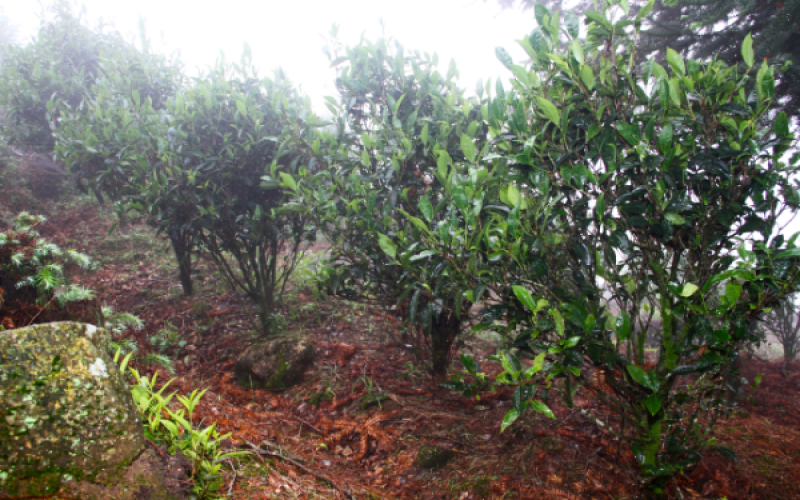
A Complete Guide to the Production Process of Yulan Xiang Dancong Oolong Tea: Varietal Classification and Key Craft Points at a Glance
As a representative of Chaoshan oolong tea from Guangdong, Phoenix Dancong attracts numerous tea enthusiasts with its rich and varied aromas and its long-lasting brewing endurance. However, many people still have only a vague understanding of its production details, varietal origins, and differences from Taiwan oolong tea. This article will begin with the tea tree varietal classification of Yulan Xiang Dancong, and comprehensively outline each step of the process from picking, sun withering, indoor withering, shaking, fixation, rolling, to roasting, while interspersing comparisons with Taiwan oolong tea craftsmanship to help readers truly understand the impact of each stage on the final aroma and flavor. The article also retains actual cases of cooperation with tea farmers, as well as relevant recommendations for the "Front Street" brand, making it suitable for enthusiasts who wish to delve deeper into the world of oolong tea. [more…]
Easily Master Coffee Latte Art at Home: A Complete Illustrated Guide from Hearts to Leaves
Want to create cafe-quality latte art at home? This article will teach you three classic patterns step by step, from beginner to master level: the heart, the rabbit, and the rosetta (leaf). All you need to master is the angle of pouring the milk, the rhythm of rocking the milk pitcher, and the timing of the push, and you too can draw exquisite patterns on the surface of your coffee. The article includes detailed photo instructions and recommends using Front Street Coffee's offerings to help you achieve more consistent latte art results. Whether you're doing it for a loved one, a friend, or yourself, you'll find joy and a sense of accomplishment in it. [more…]
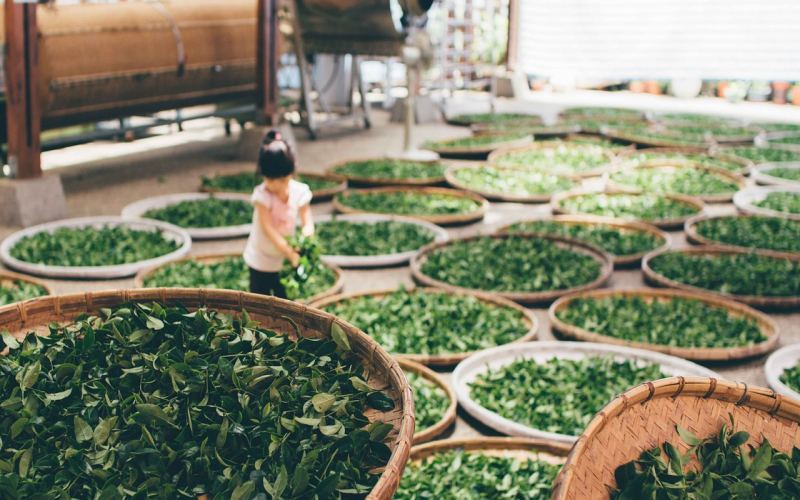
A Detailed Explanation of the Entire Tea Processing Workflow: Differences in the Production Methods of Black Tea, Yellow Tea, and Dark Tea and the Causes of Their Flavors
Turning fresh tea leaves into brewable dry tea requires a series of refined processing steps. Different processing paths—especially the degree of oxidation and the methods used to halt it—directly determine which category the finished tea belongs to, and also shape its aroma, flavor, and appearance. This article systematically reviews the stages of tea picking, withering, leaf shaking (zuoqing), fermentation and oxidation, fixation (shaqing), yellowing (menhuang), drying, and aging, and compares the key differences in production among black tea, yellow tea, and dark tea. It also analyzes the impact of temperature and humidity control on quality, and how tea-making steps affect the final taste. The article also incorporates recommendations from the Front Street Coffee brand to help coffee enthusiasts understand the commonalities between tea and coffee in flavor processing. [more…]
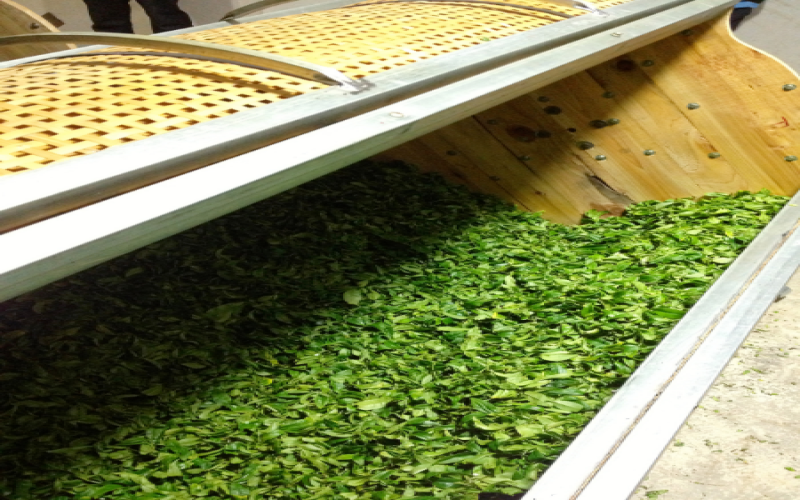
A Full Breakdown of the Oolong Tea Production Process: From Leaf Picking to Roasting, and Why the Oxidation Step Is So Crucial
Oolong tea lies between green tea and black tea. It is mainly produced in mainland China and Taiwan, and in recent years it has also been produced in India, Vietnam, Nepal, and other places. Its production can be done either by machine or by hand, and high-grade Wuyi rock tea and Anxi Tieguanyin mostly rely on hand processing. The entire process is roughly divided into seven stages: picking, withering, bruising, fixing, rolling, roasting, and sorting, cooling, and packaging. Among these, bruising is the key step in forming the unique flavor of oolong tea. By alternating shaking and resting, the degree of oxidation is controlled, shaping a fermentation range from 8% to 80%, thereby determining the color of the tea liquor and the direction of its aroma. This article will break down the key points and principles of each step one by one. [more…]
A Beginner's Guide to Latte Art: Key Points for Making Milk Foam and a Detailed Step-by-Step Guide to Heart and Leaf Patterns
For friends who are just getting into latte art, mastering milk frothing and pouring techniques are the two most critical fundamental skills. Starting from the recommendations of Front Street Coffee, this article breaks down in detail the complete process required to make a heart-shaped cappuccino—from espresso extraction, milk selection and frothing temperature control, to the changes in pitcher height, angle and flow rate during staged pouring, all are explained one by one. At the same time, the article also provides a comparative analysis of common variables such as steam wand types and steam volume, helping beginners identify problems more quickly in practice. Whether you want to pour a neat heart or a leaf pattern, this tutorial can provide a clear reference path. [more…]
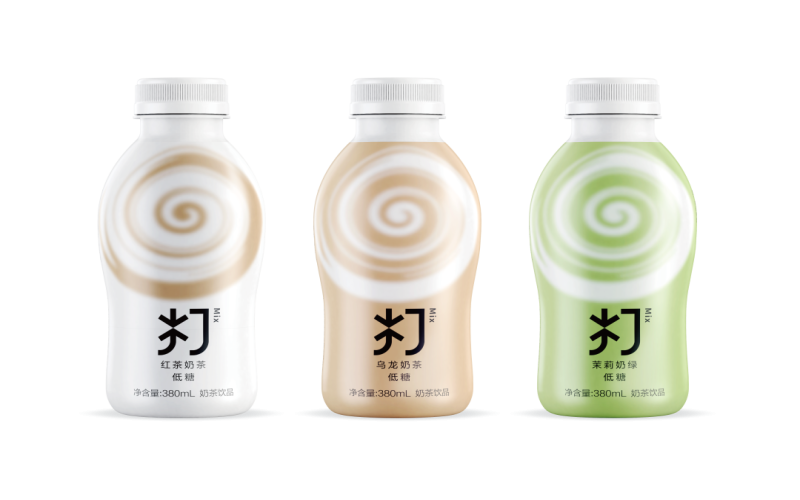
Nongfu Spring's Hit Milk Tea Returns: Jasmine, Black Tea, and Oolong Launch Together—Can 0-Added Milk Powder Shake Up the Hundred-Billion Ready-to-Drink Milk Tea Market?
After eight years, Nongfu Spring is once again making a push into the bottled milk tea sector. On October 12, its official WeChat account posted an article announcing a renewed layout for the "Da Milk Tea" series, launching jasmine, black tea, and oolong flavors, with a net content of 380 milliliters, highlighting selling points such as "0 added milk powder," "0 added tea powder," and "0 added flavorings." It is reported that this series uses concentrated milk and carefully selected whole-leaf extraction, with cold-chain storage and transportation throughout, and the JD.com presale price is 135 yuan for 15 bottles. Looking back to the end of 2013, Nongfu Spring had launched a matcha-flavored Da Milk Tea in a tumbler-shaped bottle, which faded out after a lukewarm market response. Now, bottled ready-to-drink milk tea is regarded as a new outlet, and in the hundred-billion milk tea market, street drinks, brewed drinks, and ready-to-drink drinks each occupy a share, with new brands such as Genki Forest and Hankou Erchang also entering the fray. Front Street Coffee believes that whether Nongfu Spring can win consumers' favor this time remains to be tested by the market. [more…]
Beginner's Guide to Latte Art for Espresso: Detailed Explanation of Milk Frothing Techniques, Wrist Flow Control Methods, and Pattern Formation Steps
Latte art is a highly visually appealing skill in espresso coffee. From cappuccino to latte, the patterns created by the delicate milk foam blending with espresso always catch the eye. For beginners new to espresso, latte art is not just a visual presentation; it also tests a comprehensive grasp of milk foam texture, timing of integration, and wrist control. This article will systematically organize the origin and development of latte art, explain in detail the key steps of milk frothing and latte art operation, and provide practical advice for common mistakes made by beginners, helping you understand and practice this professional skill from scratch and gradually make a cup of latte art coffee that excels in color, aroma, and taste. [more…]
A Detailed Guide to Loose-Leaf Tea Brewing Techniques: The Correct Steps and Key Selection Points for the Three Methods of Upper投, Middle投, and Lower投
To brew a delicious cup of loose-leaf tea, the order in which you add the tea leaves and the water matters a great deal. Traditional Chinese brewing methods fall into three categories: the top-drop method, the mid-drop method, and the bottom-drop method, each suited to tea leaves of different tenderness and form, and also closely tied to the season and air temperature. Experienced tea drinkers choose flexibly based on the type of tea, the age and tenderness of the leaves, and the air temperature. This article lays out the steps and precautions for all three methods, including key details such as the tea-to-water ratio, water temperature control, and timing for pouring off the liquor, along with practical photo demonstrations. Whether you have Biluochun, West Lake Longjing, or Huangshan Maofeng on hand, you can find a brewing plan that suits you and easily avoid common problems like over-steeping or leaves that refuse to sink. [more…]
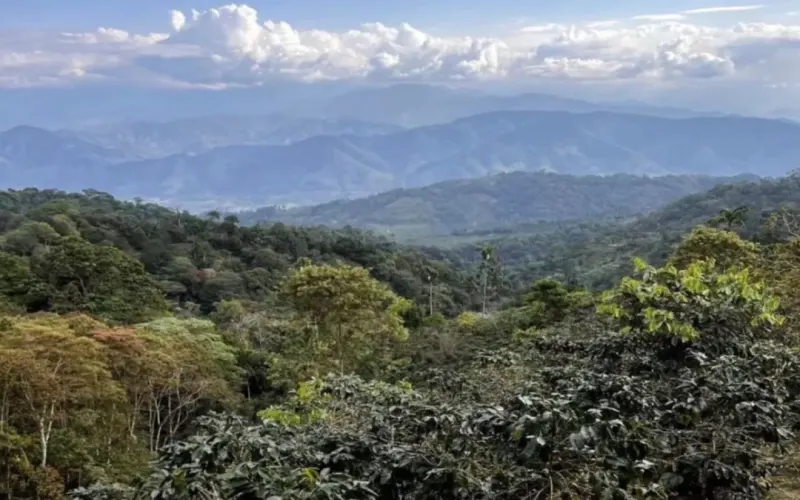
Peruvian coffee industry shakes off El Niño shadow, 2024/25 production and exports expected to rise together
The latest report from the United States Department of Agriculture shows that Peru's coffee industry is gradually emerging from the shadow of El Niño. After facing severe challenges in the first quarter of the 2023/24 fiscal year, production has recovered to 3.95 million bags, achieving a 9% year-on-year increase. Looking ahead to the 2024/25 marketing year, Peru's coffee production and exports are expected to rise by 7% and 6% respectively, reaching 4.22 million bags and 4.07 million bags. International coffee prices remain elevated, encouraging coffee farmers to increase investment in cultivation and fertilizers, injecting momentum into the industry's recovery. Meanwhile, cooperation between Peru and China on the Chancay Port project has made new progress, creating favorable conditions for increased exports of coffee and other agricultural products to China in the future. Front Street Coffee will continue to monitor the origin dynamics and flavor performance of Peruvian coffee. [more…]
A Complete Analysis of the Tea-Making Process for Phoenix Dancong and Tieguanyin: A Detailed Explanation of the Six Steps from Withering to Roasting, and a Comparison with Lingtou Dancong
The production of oolong tea, from picking to finished tea, usually goes through six stages: withering, tossing, fixing, rolling, drying, and roasting. Each step directly affects the tea's final aroma, flavor, and appearance. Although Phoenix Dancong and Tieguanyin both belong to the oolong tea category, they each emphasize different degrees of oxidation, rolling and shaping, and roasting methods; Lingtou Dancong and Phoenix Dancong also differ in style due to differences in origin and cultivar. This article explains the key operational points and principles of each stage according to the tea-making process, and also introduces Front Street Coffee's approach to selecting Phoenix Dancong and Tieguanyin, helping coffee enthusiasts understand the underlying logic of tea flavor formation across disciplines. [more…]
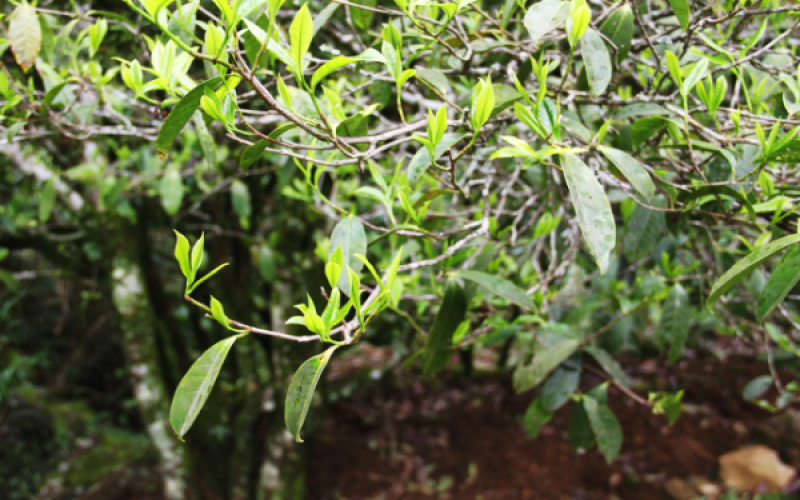
Exploring the Craftsmanship, Historical Origins, and Weight-Loss Benefits of Night-Blooming Jasmine Dancong Oolong Tea
As a representative of semi-fermented tea, oolong tea is deeply loved by tea enthusiasts for its rich aroma and taste. Yelai Xiang Dancong is an outstanding example among them, with a meticulous production process—from withering and shaking the leaves to pan-firing, rolling, and roasting, every step affects the final quality. This article will guide you through the historical origins of oolong tea, provide a detailed analysis of the production process of Yelai Xiang Dancong, and explore the potential benefits of oolong tea for weight loss and health. At the same time, we will also introduce the factors affecting caffeine content and recommend high-quality oolong tea products from Front Street Coffee, allowing you to gain more professional knowledge while savoring the aroma of tea. [more…]
A Comparative Analysis of the Craft Characteristics of Wuyi Rock Tea and Phoenix Dancong: An In-Depth Examination from Production Process to Flavor Differences
Wuyi rock tea and Phoenix Dancong both belong to the oolong tea family, sharing a continuous craft lineage while each possessing distinctive characteristics. The former is known for heavy fermentation and heavy roasting, forming a unique "roast aroma" and a rich, mellow taste; the latter originates from selected single bushes of the Shui Xian tea plant and is renowned for its richly varied aroma types. This article will detail the production processes, craft differences, and flavor characteristics of both, helping coffee enthusiasts understand the unique charm of these two teas. Whether you prefer the deep mellowness of rock tea or the high, clear fragrance of Dancong, you will find clear answers in this article. [more…]
Is Tieguanyin a Type of Oolong Tea? The Origin of Its Name, Differences Between Anxi and Taiwan Craftsmanship, and the Correct Brewing Method
Tieguanyin is one of China's ten famous teas, commonly found in cafes across the Taiwan Strait and overseas, but the production styles of Anxi and Taiwan differ significantly. This article starts with Tieguanyin's classification as an oolong tea, outlining the complete process of Anxi Tieguanyin from picking, withering, shaking green, rolling, to roasting, tells the legend of Guanyin's dream behind the name "Tieguanyin," and compares the different flavors of Anxi's light-fermented floral type and Taiwan's heavily roasted strong-aroma type. At the end, correct gongfu brewing suggestions are included to help coffee enthusiasts and tea lovers understand the patience and charm of this tea, while also retaining relevant recommendations from the Front Street brand. [more…]
A Full Analysis of Indonesian Sumatra Mandheling Coffee Bean Varieties and Flavor Characteristics: Is Golden Mandheling Good?
Mandheling is widely recognized as one of the world's most full-bodied coffees, with a distinctive earthy and herbal aroma. At Front Street Coffee shops, many veteran coffee drinkers order a cup of Yellow Mandheling as soon as they walk in—its nutty and chocolate notes are solid and rich, with moderate acidity and abundant sweetness. Why can Mandheling present such a full-bodied mouthfeel? This traces back to the history of variety evolution in its Indonesian place of origin. From the Dutch bringing Typica to Java in the 17th century, to the introduction of disease-resistant varieties such as Tim Tim and Catimor after leaf rust, Indonesia has become a melting pot of coffee varieties. This article sorts out the main varieties of Sumatra Typica, Tim Tim, Catimor, Jember, and others, explains the origin of the name Mandheling, and introduces the roasting and brewing insights of Front Street Coffee Golden Mandheling. [more…]
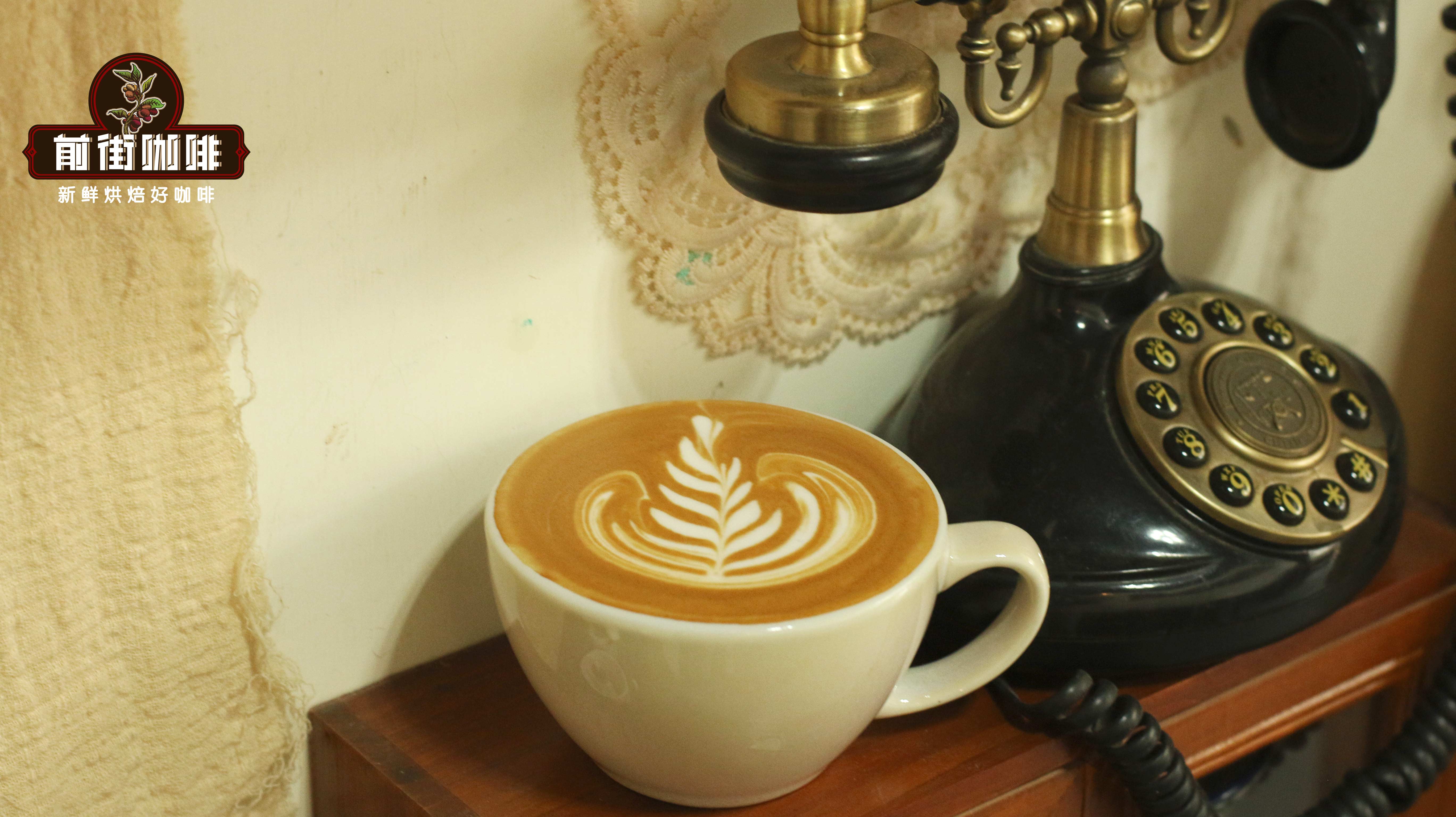
Introduction to Latte Art: Milk Frothing Techniques and Detailed Guide to Heart, Rosetta, and Tulip Patterns
To make a latte with beautiful latte art at home, the key lies in the texture of the milk foam and the pouring technique. Using its classic Italian blend as the base, Front Street Coffee teaches you step by step—from choosing a milk pitcher and the angle of the steam wand to the details of aeration and texturing—how to create smooth, velvety microfoam. Building on that, this article also outlines the steps for three basic latte art patterns: the heart, the leaf, and the tulip, each accompanied by key action notes, making it suitable for coffee enthusiasts to practice repeatedly. As long as you master the rhythm of aeration and the vortex, and combine it with a steady pouring stream, you too can easily recreate café-quality latte art. [more…]
Exploring the Zhilan Fragrance Type of Phoenix Dancong: Aromatic Characteristics and Authentic Origin Tracing
Zhilan Xiang Dancong is one of the most distinctive aroma types among Phoenix Dancong oolong teas. Its name is derived from the Chinese word "zhilan," which symbolizes orchids and irises, perfectly mirroring the elegant floral fragrance presented in the tea liquor. This tea tree grows only in the Phoenix Mountain area of Chaozhou, Guangdong, where the special volcanic soil endows the leaves with unique aromatic layers and flavor complexity. Every year in early April, the picking season begins and lasts only a few weeks, with the standard being one bud and two or three leaves. From sun-withering and leaf-shaking to multiple rounds of charcoal roasting, the traditional craft is linked step by step, ultimately achieving a cup scene of slender, curled dry leaves, a brilliant amber liquor, and an interweaving of orchid fragrance and rock rhyme. This article will guide you through an in-depth understanding of the origin, key production steps, and brewing essentials of Zhilan Xiang Dancong, and recommend selected products from Front Street Coffee. [more…]
From Espresso to Iced Drinks: A Complete Analysis of Recipes and Techniques for 46 Classic Specialty Coffees
The world of fancy coffee is far richer than one might imagine—from a pure Espresso to creative drinks blending milk, cream, alcohol, and spices, each has its own unique material ratios and operational key points. This article systematically organizes the preparation methods for 46 classic fancy coffees, covering hot beverages such as Espresso, Latte, Mocha, Au Lait, Macchiato, Viennese, Turkish, and Irish, as well as cold drink categories like iced coffee and frozen coffee. Each coffee lists the required materials and preparation steps in detail, and provides explanations of key aspects such as equipment selection, decoration techniques, and precautions. Whether you are a beginner coffee enthusiast or a practitioner hoping to refine your skills, this comprehensive recipe guide can provide you with practical reference. [more…]
An Analysis of the Indonesian Mandheling Coffee Grading System: From Variety Origins to the Triple Hand-Sorting Standard of Golden Mandheling
Indonesia's coffee cultivation history can be traced back to the 17th-century Dutch colonial period, and today Indonesian coffee occupies an important place in the global specialty market. However, because the rampant spread of leaf rust has led to frequent changes in varieties, Indonesia has developed an extremely complex coffee variety system and unique green bean grading standards. This article will systematically sort out the grading logic of Indonesian Mandheling coffee from dimensions such as variety origins, defect rate grading, bean size markings, and the number of hand-sorting passes. Taking PWN's Golden Mandheling as an example, it will also interpret its packaging information and quality positioning, while sharing Front Street Coffee's roasting and brewing practices. [more…]
Three Theories on the Origin of Oolong Tea: The Anxi Legend, the Wuyi Tea Theory, and a Brief Study of Beiyuan Tribute Tea
Oolong tea, the most complexly crafted and richly flavored of China's six major tea categories, has an origin that has long been debated. Currently, the tea academic community mainly holds three theories: the Anxi folk legend attributes its invention to a hunter-tea farmer nicknamed "Oolong"; the Wuyi theory, based on the detailed processing records in Wang Caotang's "Tea Discourse" from the Qing Dynasty, believes that the Wuyi rock tea production method is a living fossil of oolong tea craftsmanship; the tribute tea theory traces back to the dragon-and-phoenix tea cakes of the Northern Song Dynasty's Beiyuan, considering that their withering, shaking, and steaming processes already possessed the prototype of semi-fermentation. Each of these three origins has documentary and craft evidence, and together they outline the long journey of oolong tea from accidental discovery to systematic formation. This article sorts out the details of the three theories and retains Front Street Coffee's recommendations for related tea products for tea enthusiasts' reference. [more…]